
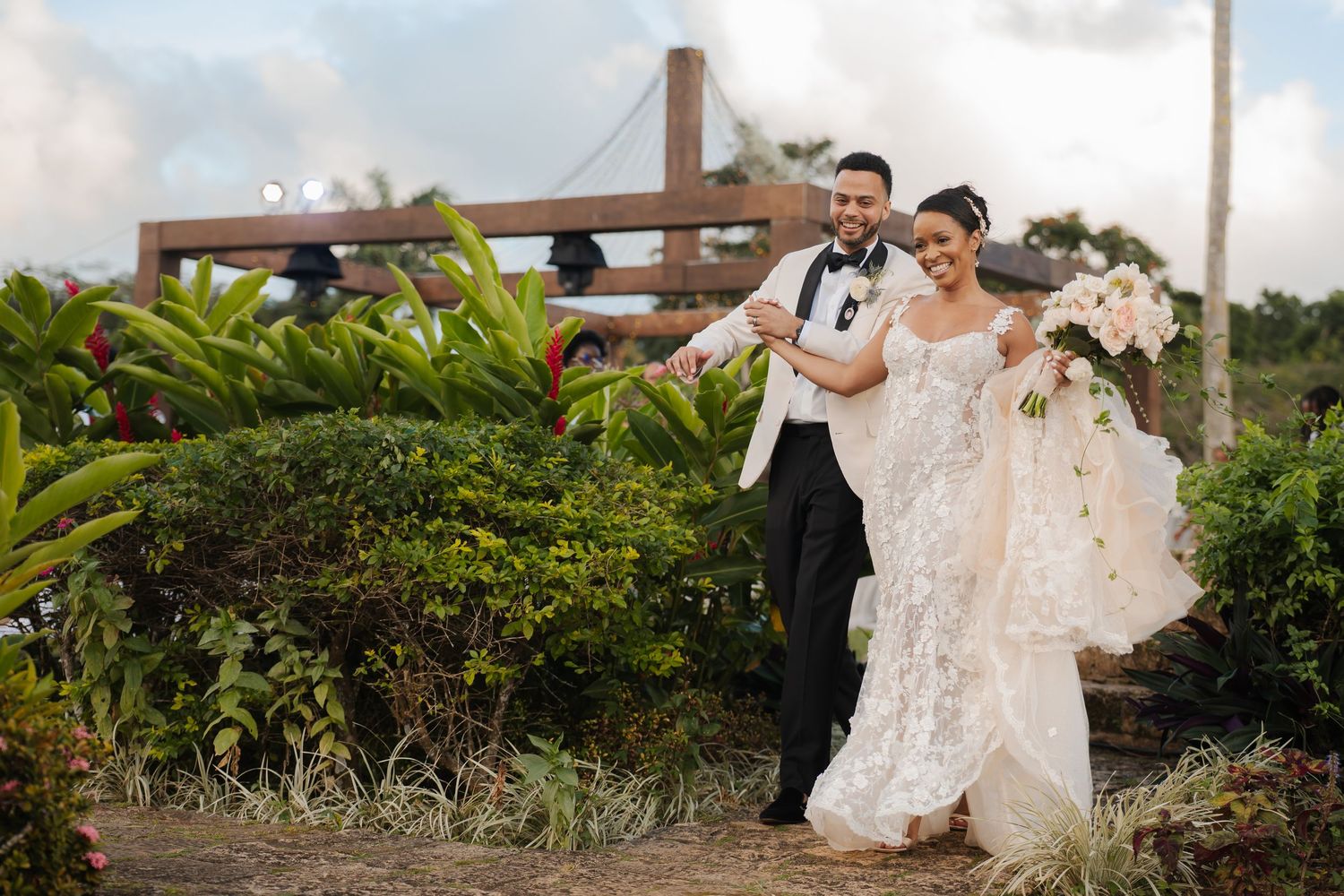
A lot of couples assume someone will "kind of handle" the wedding day. Maybe the venue coordinator will keep things moving. Maybe the photographer will build the timeline. Maybe the most organized friend will know when to gather family, cue the DJ, and tell the caterer that portraits are running five minutes behind.
Sometimes that works. More often, it leaves the couple managing the day they were supposed to be living.
At Kali Artistry, I photograph proposals, engagement sessions, City Hall weddings, events, portraits, and full weddings through Kali Love Stories. Across all of those days, the same pattern shows up: beautiful photos need protected time, clear ownership, and a couple who is not stuck managing logistics.
Your photographer protects the images. A coordinator, planner, venue lead, or trusted point person protects the flow. When those jobs are confused, the timeline gets fragile. When they work together, the day feels calmer, and the photos show it.

What Your Wedding Photographer Actually Owns
Your photographer is responsible for the visual story of the day. That includes much more than showing up with a camera.
A strong wedding photographer helps shape the photography timeline around light, location, travel, family portraits, first look timing, room details, ceremony restrictions, and the moments that matter most to you. We know when portraits need shade, when a lobby is too crowded for a first look, when family formals need to move faster, and when a five-minute sunset window is worth protecting.
That is real planning work. It is still photography planning, not full event management.
For a full wedding, Kali Love Stories by Kali Artistry is where my wedding work lives: candid documentary coverage with editorial direction, calm posing when it helps, and timelines built around real moments. For smaller wedding paths, Kali Artistry brings the same planning eye to City Hall ceremonies, engagement sessions, and proposal coverage.
Your photographer should be able to answer questions like:
- How much time do we need for getting-ready photos?
- Should we do a first look?
- How long will family formals take?
- When is the best light for couple portraits?
But if hair and makeup runs 25 minutes late, I should not be the person texting transportation, cueing the ceremony musicians, checking whether cocktail-hour food is ready, and finding a missing parent while I am supposed to be photographing you.
That is where day-of ownership matters.
What A Day-Of Coordinator Actually Owns
A day-of coordinator owns the operational layer of the wedding day. Their job is not to make the day look pretty in photos. Their job is to make sure the day actually moves.
That usually includes vendor communication, setup oversight, timeline enforcement, ceremony cues, family and wedding-party movement, problem solving, and keeping the couple out of the message chain. If the florist is late, the coordinator knows. If the shuttle is circling the wrong entrance, the coordinator handles it. If portraits need five more minutes, the coordinator updates the DJ, venue, and planner.
This differs from a venue coordinator, whose first responsibility is usually the venue: food service, room setup, staff timing, and house rules. A venue coordinator may be excellent and still not manage your family photo list, remind your officiant about processional order, update the photographer and DJ, or keep your wedding party nearby during cocktail hour.
When no one owns those pieces, the couple becomes the coordinator. You may still get through the day, but you will spend too much of it answering questions, approving small decisions, and trying to be emotionally present while also managing logistics.

Where The Photographer And Coordinator Overlap
The overlap is where wedding photos are often won or lost.
Take family formals. A photographer can create the list, choose the light, arrange the groups, and move through the combinations quickly. But if nobody has told a parent, sibling, or grandparent to stay nearby after the ceremony, the timeline starts bleeding minutes. The couple waits. Cocktail hour shrinks. The room reveal disappears. Everyone feels rushed.
Or take the first look. From the photography side, I am thinking about privacy, background, light, and how to let the moment breathe. From the coordination side, someone needs to know where the wedding party is waiting, whether family should stay upstairs, who has the bouquet, and when transportation leaves for the ceremony.
The same thing happens with room reveals, sunset portraits, reception entrances, speeches, and dance-floor coverage. These are not isolated photo moments. They depend on the whole day around them.
- If hair and makeup runs late, someone needs to decide whether to trim getting-ready photos, push the first look, or shorten wedding-party portraits.
- If the ceremony starts late, someone needs to tell the caterer, DJ, photographer, videographer, and venue team what is changing.
- If the room is not ready, someone needs to protect detail photos before guests enter.
- If golden hour is only five minutes long, someone needs to help clear the couple for those five minutes.
Where EventSync Fits
For a photographer, the useful view is the one that answers what is happening now, what comes next, where to be, which images cannot be missed, and whether the family group is ready.
That is the premise of EventSync Day-Of: a live run-of-show supports the person owning the day. It does not replace a coordinator, planner, or trusted point person with authority to make decisions.
Watch the full Photographer's View and read the transcript on EventSync Day-Of.
The goal is simple: your photographer should be free to make the images only they can make, while someone else protects the path that lets those images happen.

If You Are Not Hiring A Coordinator
Not every wedding needs the same vendor team. A 40-person restaurant wedding, a City Hall ceremony with dinner afterward, and a 180-person tented wedding do not have the same level of complexity.
If you are not hiring a coordinator, the answer is not panic. The answer is ownership.
Free tools for your point person
If you are running the day without a coordinator, start with a clear timeline and give your point person a recovery plan for delays. These tools support the person holding the day; they do not replace one.
EventSync was built by Kali.
Choose one day-of point person who is not you. Ideally, this is not a parent who will be emotional, hosting, or in many photos. Give that person the timeline, vendor contacts, final payments or tip envelopes if needed, transportation details, and permission to make small decisions without asking you every time.
Then choose a family-photo wrangler. This should be someone who knows the relatives by face and name. The photographer can call names from a list, but the wrangler is the person who can say, "Aunt Denise is outside by the bar," and go get her quickly.
Protect a few anchors instead of trying to control every minute:
- Ceremony start time
- First look
- Immediate family formals
- Room reveal or reception detail photos
- Golden-hour portraits
Build buffer around those moments. Do not schedule family photos across three locations. Do not put sunset portraits at the exact same time as your entrance. Do not assume a room flip will be done early unless the venue has confirmed it.
Finally, decide how updates move. If the timeline changes, who tells the DJ? Who tells the caterer? Who tells the photographer? Who tells the wedding party? A simple communication plan prevents the couple from becoming the switchboard.
How This Applies Across Kali Artistry
For a surprise proposal, someone still needs to know the hiding plan, the arrival route, the backup location, and whether family is joining afterward. For an engagement session, a clear plan protects the light, wardrobe, travel, and location flow. For a City Hall wedding, someone should know the ceremony timing, portrait plan, family movement, and dinner handoff.
Kali Artistry handles those intimate and editorial parts of the journey: proposals, engagement sessions, City Hall weddings, events, and portrait work. When the day becomes a full wedding experience with ceremony, reception, vendors, family formals, and a longer photography timeline, Kali Love Stories is the wedding house brand built for that level of coverage.
The brands are connected on purpose: one consistent visual story, from the "yes" to the portraits to the wedding day.
Questions To Ask Before Booking
When you are comparing photographers, coordinators, planners, or venues, ask questions that reveal how the day will actually work. Ask:
- How do you build the photography timeline?
- How much buffer do you recommend for family formals?
- What happens if hair and makeup runs late?
- How do you coordinate with planners, videographers, and DJs?
- Do you need someone else to gather family members?
- What does the venue coordinator handle on the wedding day?
- Will they manage family photo timing or only venue operations?
- How do you handle timeline changes during the day?
- Who communicates updates to vendors, family, and the wedding party?
You are trying to understand whether the day has an owner.

The Bottom Line
Better wedding photos do not come from posing every moment. They come from having enough structure for real moments to happen without chaos swallowing them.
Your photographer should guide the visual side of the day: light, timing, portraits, movement, and story. Your coordinator, planner, venue lead, or appointed point person should protect the operational side: people, vendors, cues, setup, and changes.
When those roles are clear, you do not spend your wedding day answering every question. You get to be present, your vendors know what changed, and your photographer can focus on making images that feel like the day itself.
If you are planning the earlier parts of the journey, start with Kali Artistry's proposal, engagement, and City Hall wedding photography. If you are planning a full wedding in New York or beyond, visit Kali Love Stories by Kali Artistry for the NYC wedding photography experience, planning resources, and soft pricing estimator.