Wedding Day Communication Plan: Who Needs to Know What Before the Day Starts
Most wedding-day confusion does not come from people being careless. It comes from too many people having different versions of the plan. The couple has the final timeline in their inbox. The photographer has the portrait schedule. The DJ has the reception order. The venue has the load-in notes. The maid of honor has a screenshot from three weeks ago. The florist has the correct ceremony time but the wrong delivery entrance. Everyone thinks they are prepared, but nobody is working from the same map. That is where wedding days get noisy. A wedding day communication plan is not just a group text. It is a simple decision about who needs what information, who is allowed to answer questions, and where updates go when the day starts moving. The goal is not to make the day feel corporate. The goal is to keep the couple from becoming the dispatcher at their own wedding. I have watched this from behind the camera for years. The calmest weddings are not always the most expensive ones. They are the ones where the right people already know what to do before anyone asks. 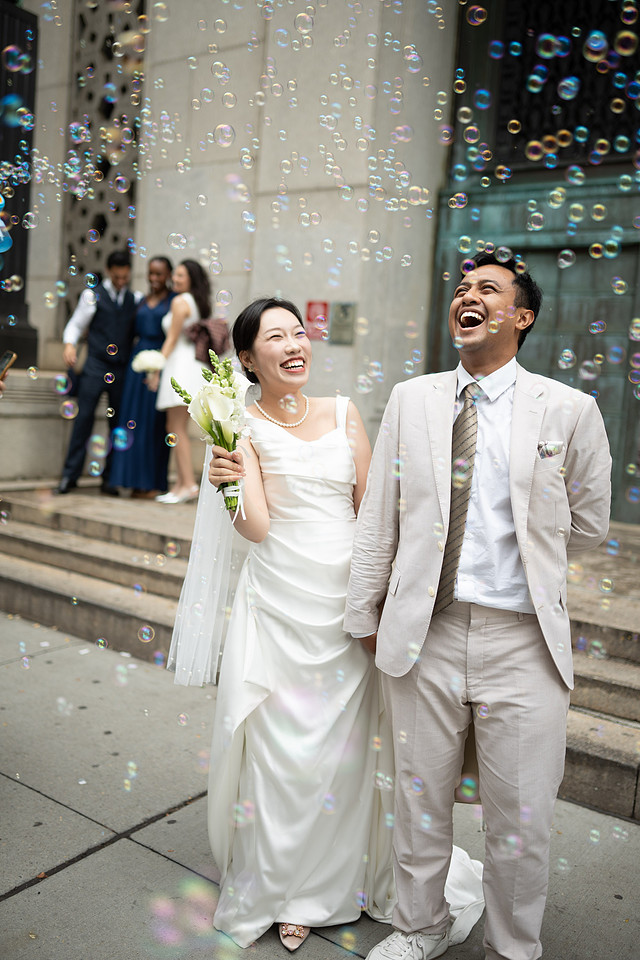
At a glance
Jump to Start with one source of truthBefore you decide who gets the timeline, decide which timeline is the real one. This sounds obvious, but it is where many wedding days begin to split. A planner sends one version. The venue creates another. The photographer builds a photo timeline. The DJ asks for a reception timeline. A parent prints the version from last month because it was the one they found first. One document needs to be treated as final. That does not mean every person gets every detail. It means every version comes from the same source. If the ceremony shifts by 15 minutes, that change should not have to be manually corrected in five separate PDFs. The final wedding day plan should include:
If a detail affects timing, movement, vendor work, or family participation, it belongs somewhere in the plan. Use the free Wedding Day Timeline Builder to turn that one source of truth into a usable run-of-show with protected anchors, flexible blocks, and real buffers. Who should get the full wedding timeline?Not everyone needs the full timeline. The people responsible for running or adjusting the day do. The full timeline should go to:
These are the people who may need to understand how one delay affects the rest of the day. If hair and makeup runs late, the photographer needs to know what portrait time can move. If cocktail hour starts late, the caterer and DJ need the new reception cue. If the ceremony location changes, the venue, photo team, officiant, musicians, and transportation all need the same update. The full timeline is not for curiosity. It is for people whose decisions affect the day. 
What vendors actually needVendors do not just need to know what time to arrive. They need the context around their work. A useful vendor handoff includes:
The florist may not need the full family photo list. The photographer probably does not need the linen count. But both need to know when ceremony setup must be finished, when the space will be photographed, and who to call if access is delayed. That is the difference between a vendor list and a vendor communication plan. What family needs to knowFamily does not usually need the full wedding timeline. Too much information can create more questions, not fewer. Family should receive the parts that directly affect them:
For family portraits, be direct. Do not write, "Please be available after the ceremony." That sounds optional. Use language like:
That one message can save 20 minutes. Family members are not trying to make the day harder. Most of the time they simply do not know that leaving for the bar, the restroom, or the hotel room creates a search party. Tell them exactly what is expected, and give one person authority to gather them. What the wedding party needs to knowThe wedding party needs practical timing, not the whole production schedule. Send them:
The phrase "be ready by 2:00" is not specific enough. Ready can mean dressed. It can mean dressed with shoes. It can mean dressed, steamed, flowers pinned, phone away, and standing where the photographer needs them. Say what ready means. Example:
That kind of detail feels small until the morning is running 18 minutes behind. What guests need to knowGuests need less than you think, but they need it clearly. They need:
Guests do not need the vendor timeline, photo list, or setup details. Do not turn your website or invitation into a control room. Give guests enough to arrive prepared and then let the day be hosted. Choose a day-of point person before wedding weekIf there is no planner or coordinator, someone still needs to hold the communication role. This person should not be the couple. It should also not be someone who needs to be emotionally or visually present in every major moment. A good day-of point person is:
Give this person the full timeline, vendor contact sheet, family photo list, and authority boundaries. Authority boundaries matter. A helper can tell the florist where to place boutonnieres. They should not approve a surprise $700 rental change without calling the couple or planner. A helper can tell family members where to stand for photos. They should not rewrite the reception order. The point person does not need unlimited authority. They need clear authority. When to send everythingHere is the timing I recommend:
Avoid sending a brand-new complex timeline the night before unless there is no other choice. Late changes happen, but the more people have to re-learn under pressure, the more likely someone follows the wrong version. What not to sendMore information is not always better. Do not send every person every private detail. Vendor payment balances, family sensitivities, surprise moments, and private transportation notes should be shared only with the people who need them. Do not put sensitive family dynamics in a widely shared timeline. The photographer and planner may need to know that two parents should not be posed together. The entire wedding party does not. Do not make a public group chat with every vendor. Vendor communication should be organized by responsibility, not dumped into one loud channel. 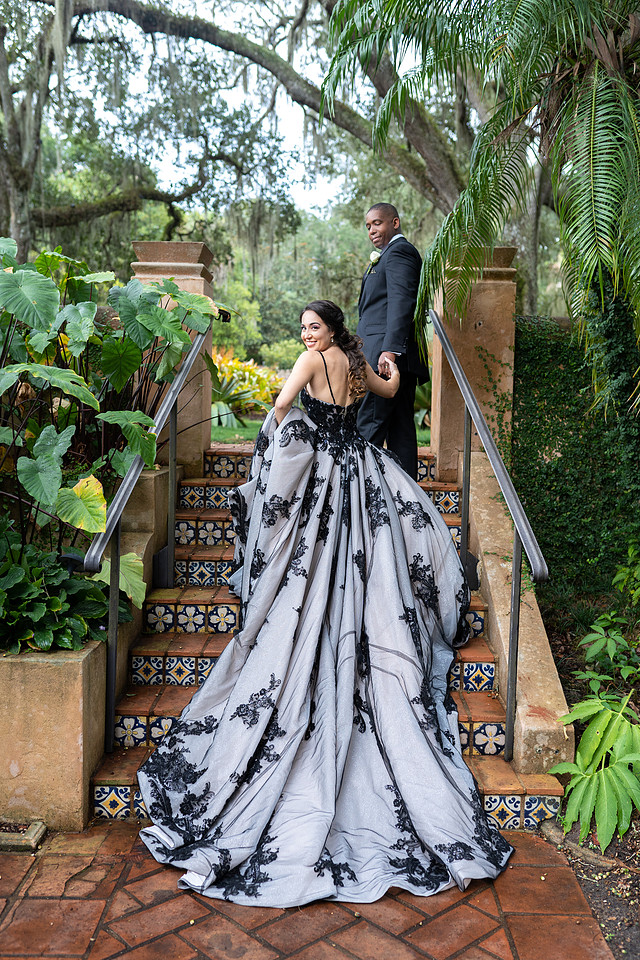
A simple communication mapBefore the wedding, write this down:
The final line is the most important. Not every question needs the couple. Most questions need someone who already knows what the couple wanted. Give the day-of point person the free Running Behind Recovery Card so they can communicate a practical response when timing shifts: protect anchors, spend buffer, compress flexible blocks, and move what can move. Where EventSync fitsThis is where a shared day-of system can help. If you are using EventSync, put the final timeline, vendor roles, and point people into the app before wedding week. The value is not that it replaces judgment. The value is that the right people can see the current plan without digging through screenshots, email threads, and old PDFs. For a small wedding, a clean document and one reliable point person may be enough. For a wedding with multiple vendors, moving parts, transportation, family portraits, and reception cues, the communication system matters. You can see the EventSync day-of workflow here: 
Helpful day-of planning tool See the day-of workflow in EventSyncUse the demo to see how timeline changes, roles, and vendor details can live in one shared wedding-day system. The real goalA good wedding day communication plan is not about controlling every minute. Weddings are alive. Things move. People cry. Weather changes. A parent disappears right when portraits begin. Someone forgets the rings in the getting-ready suite. The point is not to prevent every human moment. The point is to make sure the couple is not the person solving every preventable problem. If the vendors know where to go, the family knows when to stay, the wedding party knows what ready means, and one trusted person knows how to answer questions, the day feels different. It feels quieter. It feels more hosted. It gives the couple room to actually live inside the day instead of managing it from the middle. That is the standard worth planning for. Closing CTAIf you are building your own wedding-day communication plan, do not stop at a timeline. Decide who gets each part of the plan, who answers questions, and how updates move once the day starts. EventSync was built for that exact handoff: plan the wedding, assign the roles, and keep the day moving from one shared timeline.
Recommended planning tool Keep the handoff in one placeUse EventSync to keep timelines, roles, vendor notes, and updates visible to the right people before the wedding day starts. Author NoteKali Artistry photographs proposals, engagements, portraits, and wedding stories in New York City. For full wedding coverage, visit Kali Love Stories. After years watching wedding days from inside the timeline, Kali also points couples toward EventSync when they need a cleaner way to keep vendors, family, and helpers on the same page. |